
Introduction: AI-Powered SEO & Why It Matters
Artificial intelligence (AI) has transformed SEO over the past decade, evolving from simple keyword-stuffing techniques to sophisticated algorithms that enhance content quality and user experience. Today, AI-powered tools are reshaping SEO, from keyword research to content creation. Tools like ChatGPT, Rank Math AI, and Surfer SEO allow beginners to optimize their websites more effectively than ever before. But how do you use AI without harming your rankings? In this guide, we’ll walk through how to leverage AI for SEO while ensuring your content stays Google-friendly.
“AI-driven SEO is not about replacing human expertise but enhancing it. The key to success is blending AI efficiency with human creativity to create high-value content.”
– Search Engine Journal
📖 Related: AI-Powered Content Creation: Efficiency With Creativity

How to Master AI SEO: A Step-by-Step Guide
Artificial Intelligence (AI) is transforming SEO by making keyword research, content creation, and on-page optimization more efficient. However, success with AI in SEO requires the right strategy, tools, and human oversight to ensure search engine compliance and content quality.
In this guide, we’ll break down how to leverage AI for SEO with a step-by-step approach. You’ll learn:
How to use AI-driven tools for keyword research.
Best practices for AI-assisted content creation.
On-page optimization strategies using AI.
How to avoid AI SEO pitfalls and penalties.
By the end of this guide, you’ll have a solid understanding of how to integrate AI into your SEO workflow while maintaining E-E-A-T (Experience, Expertise, Authoritativeness, Trustworthiness) to rank higher in search results.
Let’s dive into the essential tools and techniques for mastering AI-powered SEO!
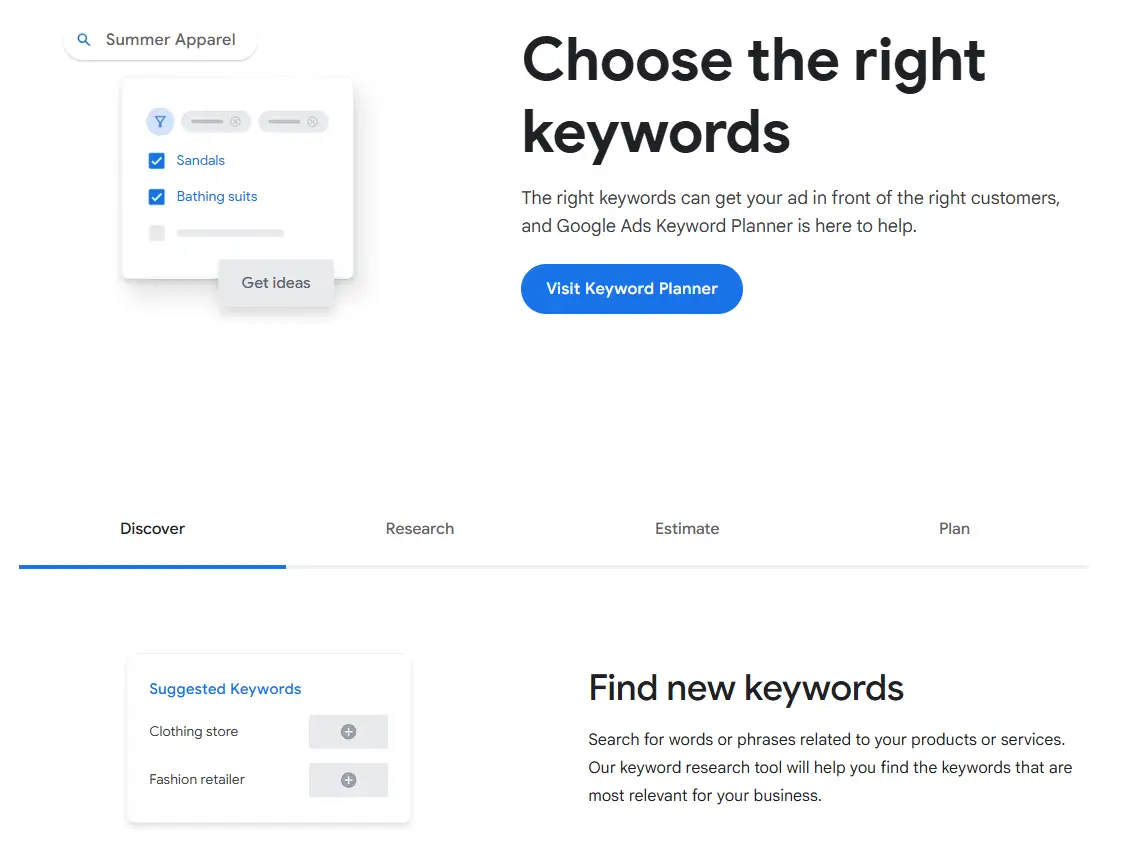
Google Keyword Planner: Your Essential SEO Tool
Before diving into AI-powered keyword research, it’s important to understand how to use Google Keyword Planner effectively. This free tool from Google provides insights into search volume, competition levels, and estimated CPC (Cost-Per-Click) for keywords.
How to Make the Best Use of Google Keyword Planner
Find High-Traffic Keywords – Enter a seed keyword to generate a list of related search terms with volume metrics.
Analyze Competition & CPC – Understand how competitive a keyword is for organic rankings or paid ads.
Discover Long-Tail Keywords – Identify lower-competition phrases that can drive targeted traffic.
Refine by Location & Language – Adjust filters to focus on your target audience.
Export & Integrate with AI Tools – Use Keyword Planner data alongside AI-driven platforms like ChatGPT or Surfer SEO for deeper insights.
Expert Tip:
Combine Google Keyword Planner with Surfer SEO to identify high-ranking opportunities and optimize for low-competition, high-search-volume keywords.
📖 Related: Ultimate Guide to Site Structure & Internal Linking

Step 1: Using AI for Keyword Research
1.1 Use AI-Powered SEO Tools
AI-driven SEO tools help streamline the process of keyword research, making it faster and more effective. Here’s how some of the most popular tools can assist:| Tool | Purpose | Key Features |
|---|---|---|
| ChatGPT (Web Access) | Generates keyword ideas based on trends and user queries. | Can provide long-tail keyword variations and content topic suggestions. |
| Google Keyword Planner | Analyzes keyword competitiveness by providing insights on search volume, CPC (cost per click), and competition level. | Useful for PPC and organic keyword strategy planning. |
| Surfer SEO / Ahrefs | Identifies low-competition, high-search-volume keywords and analyzes competitor keyword strategies. | Helps with keyword clustering, backlink analysis, and SERP competitor insights. |

Step 2: AI for Content Creation
AI tools can help streamline the content creation process, but they should be used strategically to maintain originality and comply with Google’s E-E-A-T guidelines.2.1 Using AI to Generate Blog Post Outlines
Creating a solid outline ensures your content is structured, engaging, and optimized for SEO. AI tools like ChatGPT, Jasper, and Rank Math AI can generate comprehensive outlines based on your target keywords.Example Prompt:
“Generate an SEO-optimized blog post outline for ‘How AI Improves Keyword Research’.”2.2 AI-Assisted Content Writing
AI-generated text can serve as a great starting point, but human oversight is crucial.- AI can generate first drafts quickly, but always add personal insights to ensure content authenticity.
- Use Surfer SEO to analyze word count, keyword placement, and readability for better optimization.
- Ensure your content is engaging by breaking up long paragraphs, using bullet points, and incorporating relevant images.
- Ensure your content aligns with E-E-A-T guidelines.

Step 3: AI for On-Page SEO Optimization
Optimizing your website’s on-page elements is critical for SEO success. AI can help streamline this process by ensuring meta tags, image optimization, and structured data are properly implemented.3.1 AI for Meta Tags & Descriptions
Well-crafted meta titles and descriptions can significantly improve click-through rates (CTR). AI tools can generate compelling and keyword-rich meta tags that align with SEO best practices.Example Prompt:
“Write an engaging, keyword-optimized meta description for a blog post about AI-powered SEO tools.”| Well-Optimized Meta Description | Poorly Optimized Meta Description |
|---|---|
| “Boost rankings with AI-powered SEO tools! Learn to optimize keywords, content, and meta tags for better visibility.” | “AI SEO is good. Learn more about SEO tools.” |
3.2 Optimizing Images with AI
- Use AI-powered image compressors (e.g., TinyPNG, ShortPixel) to reduce file sizes and improve page speed.
- Ensure alt text includes relevant keywords to improve image SEO and accessibility.
- AI-based tools like Canva and Adobe Sensei can enhance image quality while keeping file sizes low.

Step 4: Avoiding AI SEO Pitfalls & Google Penalties
While AI can be a powerful asset in SEO, it must be used carefully to avoid penalties from search engines. Google prioritizes high-quality, original content over mass-produced AI-generated articles.4.1 Why Google Penalizes AI Content
- Thin, low-quality content that lacks original insights.
- Keyword stuffing and unnatural phrasing from AI-generated text.
- Over-reliance on AI without human editing, leading to generic or misleading content.
4.2 How to Prevent AI-Related SEO Issues
- Always edit AI content to ensure clarity, originality, and value.
- Follow Google’s E-E-A-T principles to demonstrate experience, expertise, authoritativeness, and trustworthiness.
- Use AI to enhance, not replace, human creativity and research.
Case Study: AI-Generated Content Penalty & Recovery
In 2023, CNET faced backlash for publishing AI-generated articles with factual inaccuracies. Google de-ranked several of these articles due to low-quality content. To recover, CNET:- Implemented editorial oversight and human fact-checking.
- Enhanced AI-generated content with original research and expert insights.
- Focused on user intent rather than mass-producing AI-generated articles.
Expert Insight:
Google’s John Mueller has stated that AI-generated content must demonstrate expertise, originality, and user value to rank well.

Conclusion: The Future of AI in SEO
AI-driven tools can accelerate keyword research, streamline content creation, and enhance on-page optimization, but human expertise remains essential to ensure quality, originality, and trustworthiness.
Key Takeaways:
AI is an Assistant, Not a Replacement: Use AI for efficiency but refine its output with real-world experience.
Balancing AI & E-E-A-T: Ensure that AI-generated content aligns with Google’s expectations for expertise, experience, authority, and trustworthiness.
Regular Updates Matter: SEO is an ongoing process—continuously refine your content and stay updated with AI advancements.

Frequently Asked Questions (FAQs) on AI SEO
AI-powered SEO comes with many questions, especially for those new to using artificial intelligence in their ranking strategies.
Below are some of the most common questions about integrating AI into SEO workflows, content creation, and optimization. These answers will help you navigate AI’s role in search engine optimization while staying compliant with Google’s best practices.
Can AI help with backlink strategies?
Yes! AI can assist with backlink strategies by:
Identifying high-authority sites for outreach.
Suggesting personalized email templates for link-building campaigns.
Analyzing competitor backlinks to find linking opportunities.
Automating broken link detection and replacement strategies.
Can I use AI to write entire blog posts for SEO?
Yes, but Google strongly emphasizes human oversight when using AI for content creation. AI-generated text should always be refined with personal expertise, unique insights, and a human touch to ensure it aligns with Google’s E-E-A-T (Experience, Expertise, Authoritativeness, Trustworthiness) guidelines. Content that lacks originality or depth may not perform well in search rankings, making human intervention essential for quality and credibility.
Does Google penalize AI-generated content?
Not necessarily, but low-quality, unedited AI content can be flagged as spam and devalued by search engines. Google’s algorithms prioritize original, high-value content that demonstrates expertise and relevance. AI-generated content that lacks human oversight, context, or unique insights can be perceived as automated spam, which may result in lower rankings or even penalties. To avoid this, always edit AI-written content to improve readability, ensure factual accuracy, and provide additional context that makes it genuinely useful to users.
How do I ensure my AI content is SEO-friendly?
To ensure AI-generated content is SEO-friendly, follow E-E-A-T guidelines (Experience, Expertise, Authoritativeness, and Trustworthiness). Google values content that demonstrates deep knowledge and practical insights rather than just surface-level information.
Incorporate real-world insights by adding expert quotes, case studies, or firsthand experiences to make the content more authoritative. This helps differentiate AI-assisted content from generic, automated text.
Optimize for readability by structuring the content clearly with short paragraphs, bullet points, and subheadings. A well-organized article enhances user experience and improves engagement.
Finally, include internal links to relevant pages on your website. This improves site navigation, distributes link equity, and helps search engines better understand the structure of your content..
What does E-E-A-T stand for?
What is the purpose of E-E-A-T?
E-E-A-T helps Google ensure that the content it surfaces in search results is reliable, helpful, and trustworthy, especially for topics that impact users’ health, finances, or well-being (known as “Your Money or Your Life” or YMYL topics). It guides human quality raters in assessing whether search results meet high standards, indirectly influencing algorithm updates.
How can I improve my site’s E-E-A-T?
To boost E-E-A-T:
- Experience: Share personal stories or practical insights relevant to your topic.
- Expertise: Highlight credentials, use expert authors, and cite reliable sources.
- Authoritativeness: Build backlinks from reputable sites and create in-depth, well-researched content.
- Trustworthiness: Use HTTPS, provide clear contact info, include author bios, and avoid misleading claims.
Why should I care about E-E-A-T for SEO?
While not a direct ranking factor, strong E-E-A-T aligns with Google’s goal of rewarding high-quality, user-focused content. Improving E-E-A-T can enhance your site’s credibility, user trust, and visibility in search results, especially after algorithm updates.